Use reed switches behind the clock face and magnets on the (presumably) different length hands instead of hall sensors. NTP sync once per day is more than adequate for household timekeeping - it might drift a few seconds here and there, but that’s fine for most people?
Yeah, reeds make more sense. I’d stagger them so that when the hour is at 12, minute at 3, second is at 6, all three reeds (wired in series) wake the microcontroller.
That's a really neat solution. Does that mean one of the constraints you'd have to impose is that a given customer can only have as many VMs as there are addresses in the block of IPs that you own? If they tried to create another one past that, it seems like you'd have a bit of a problem on your hands - but then again, maybe that number is so high that you're not likely to run into that edge case?
It's a decent analogy though: there are many tasks for which a CNC router would be an inappropriate tool choice (e.g. you can cut dovetails on a CNC router, but it's a pain in the ass and you probably could have cut them by hand in the time it takes to set up the cut on a CNC), but for tasks where the CNC router is a good fit, very few tools can beat it.
The question you're actually trying to answer is unlikely to be "why is this the way that it is" and more likely to be "if I make this change, will I break anything". So just don't worry about it: make your change, open a PR, socialize it as widely as is practical, and if nobody stops you, merge it and move on. In many cases, the original "why" doesn't matter anymore. If it does, having a concrete change to look at and critique helps move the discussion along (and prevents getting trapped in hypotheticals - they can see exactly what you're trying to do if they have a PR in front of them).
Your GitHub repo and the associated medium article do a great job of describing the problem and the solution that you settled on. I don’t understand why you didn’t include a screenshot of what this looks like though. The suitability of your tool depends on what it looks like.
Please, always include screenshots in open source projects that are aesthetic in nature.
There used to be a commercially-made tv-b-gone device. Not sure if it's made anymore, but there's a DIY kit that appears to do the same thing: https://www.adafruit.com/product/73
I used to carry one with me everywhere (it was small enough to fit on a keychain). One night at a sports bar, I showed it to a friend. Before I could stop him, he pushed the button and every TV in the place went black, right in the middle of some PPV sports event. Anyway, he bought one on the spot.
There was a guy who sold a chip for that which you fitted to a car keyfob. In the olden days of the late 80s, Valeo used a pretty insecure not-rolling-code infrared thing for central locking systems.
Anyway you'd get a handful of old Rover, Peugeot, Renault, or Citroën (and a bunch of others) fobs from the scrapyard and fit this pre-programmed PIC microcontroller, and when you pressed the button it would cycle through a bunch of volume down, mute, and power off commands for most common brands of TV.
However the real genius one - and it was about 20 quid - was this. Remember Furbies? They would chatter away to each other, using infrared to communicate so they'd go in sync. Well, this one that transmitted the "GO TO SLEEP RIGHT NOW" command to any Furby in the room. Relatively expensive but worth it.
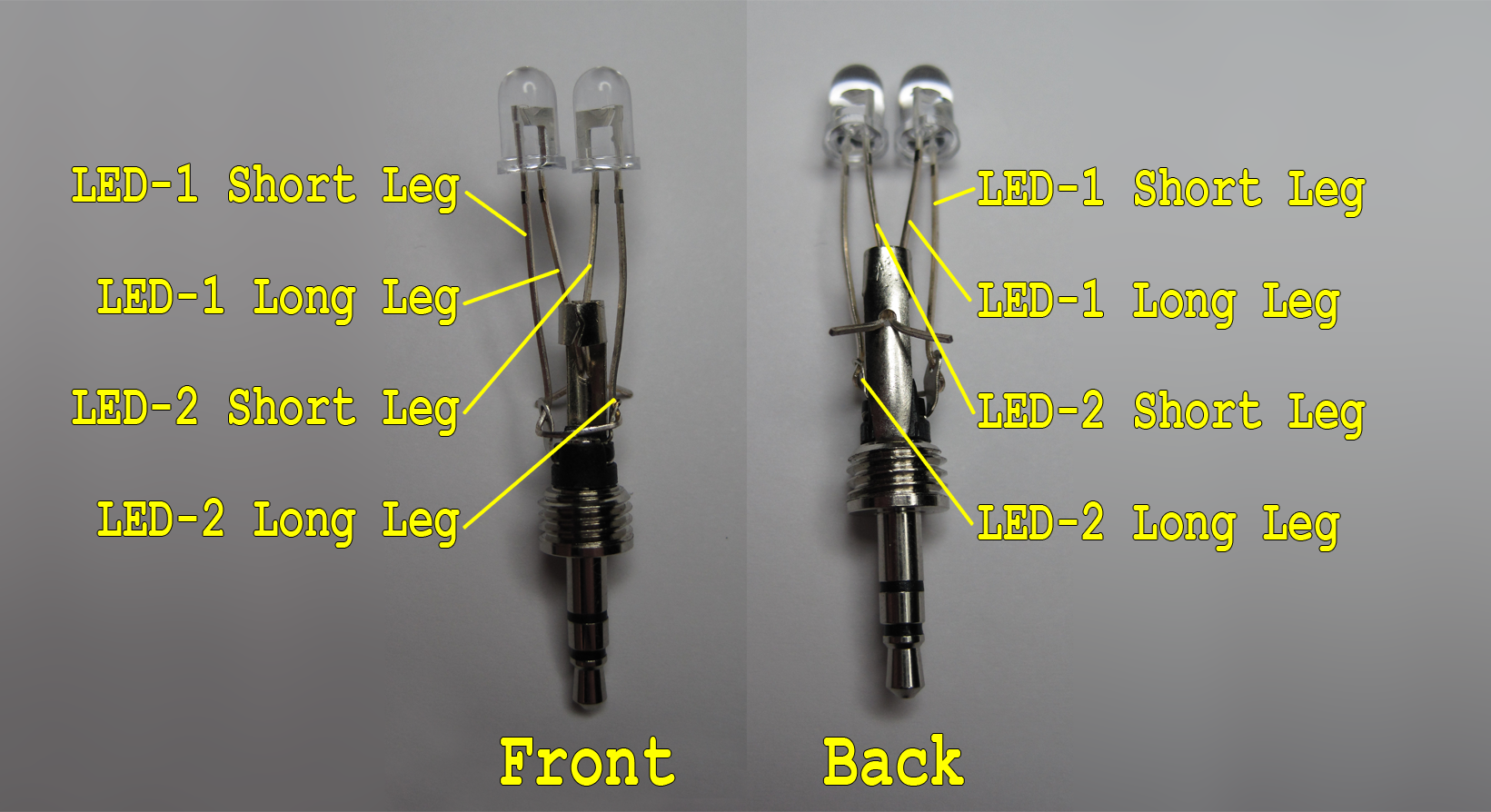
Wow, this is clever. Yeah, the headphone out can push out a signal like 1 volt at low current, but this is likely enough for the IR LED to "light up". I really like this idea.
If you had one, you could also buy games in the form of “cartridges”. Putting one of those cartridges into the gameboy would let you play the game for as long as the batteries held out.


reply