Every now and then I poke my head back into GUI Linux-land to see how it’s doing (never any better, it seems) and the last time I found much to enjoy about the experience was when I tried out Void Linux on a “weak” Asus chrome box—probably 6-8x more powerful than the laptop I used in the early and mid ‘00s, but webshit makes that feel slow, no mainstream web browser was usable at all, only stripped-down WebKit browsers were sorta OK.
It’s got that sense of actually knowing WTF your machine is doing that’s so hard to come by these days, but isn’t masochistically awkward to use (I ran Gentoo for a long time :-) )
If Macs ever go to shit, Void’s my current frontrunner for a Linux distro if I can’t get FreeBSD working ok on a laptop.
GUIs on Linux seem mostly fine in the sense that you can just use a tiling WM and terminals. Now you have a computer that you can use properly. You mostly use one terminal full screen, but if you have to you can pop open another one and they’ll arrange themselves nicely. Tmux can do this of course, but sometimes you have a nice tmux layout all set up and don’t want to mess with it.
Plus you can also open a web browser if you want to goof around and comment on HN.
And you’ll even have X installed if somebody manages to find some use for non-terminal programs (unlikely but we should admit the possibility).
Recently, I managed to get fbterm working decently on my linux; this way I can read pdf, watch movies, write code, browse parts of the web, and if I manage to get Qutebrowser working on fbterm, I'll be able to do proper web browsing without X!
On Linux, because it encounters far more problems that require fiddling to repair (or old school Windows-like solutions—“reboot and hope it goes away”).
I specifically find complex Linux distros very unpleasant. If they worked really well, that wouldn’t be the case. Simple ones where I know what each process ps outputs is doing, and where its config file lives, are… well, they don’t do as much automatically, obviously, so they’re not as nice as a Mac, but at least I can fix them when they act up without going on a damn odyssey.
Actually that makes sense. I'd never want a Mac because I want to always know what my machine is doing and what's on it. I also use Linux as my daily driver and haven't had the bad luck you've had with desktops. Even if I did or had though, I couldn't go to a mac because I think I value always knowing what my machine is doing more than avoiding infrequent crashes. If the crashes were too bad on Linux I'd o for a severely neutered and caged Windows 10 install.
I try one or more of the big distros every couple years, and ran Ubuntu as my main for the few years it was good. They’re terrible. Second-to-last time I tried Fedora they’d decided to make Wayland the default for the graphical installer without having a check for which video card you had, so it had a framerate of like 2fps on my quite-powerful hardware. Probably the worst showing any distro’s ever made, for me.
A Linux so small that I understand what everything’s doing is about the only kind I can tolerate. It’s too messy and janky for the hands-off “just works”. Always was, really, I just didn’t recognize how much time I was losing to it until I experienced not having that time-suck then tried to go back—death by a million cuts.
Last time I tried KDE in Fedora, I could make multiple apps crash just by attempting drag & drop onto them. JFC. A program crashes, like, maybe once a year in the world I’m used to. I’m not sure the average has even been that high.
I’ve run, for meaningful lengths of time, perhaps eight or nine distros on probably twenty of my own desktop and laptops systems plus in some VMs (it’s far and away best-behaved on a VM under Windows or Mac) over a period of 25 years and it’s always been pretty glitchy and crashy. Fewer whole system crashes than, say, WinXP and earlier… but more graphical system crashes or corruptions forcing a restart of the windowing system, which is just as bad if you’re working in a GUI environment. Lots of application crashes or weird glitches, including in major programs like file managers.
I will note that I didn’t realize how much I’d gotten used to working around or working past problems without even noticing I was doing it, until I was no longer using graphical Linux regularly. I am 100% sure I’d have delivered a huge underestimate of the crap I was putting up with, had someone asked me before I switched. Only when trying to go back was it clear what I’d been doing.
I literally had a crush yesterday on a fresh Fedora 40 KDE spin after I tried to move a tab from one Firefox window to another. After just a few days of using that system I already accumulated few crashes. These things happen, sadly.


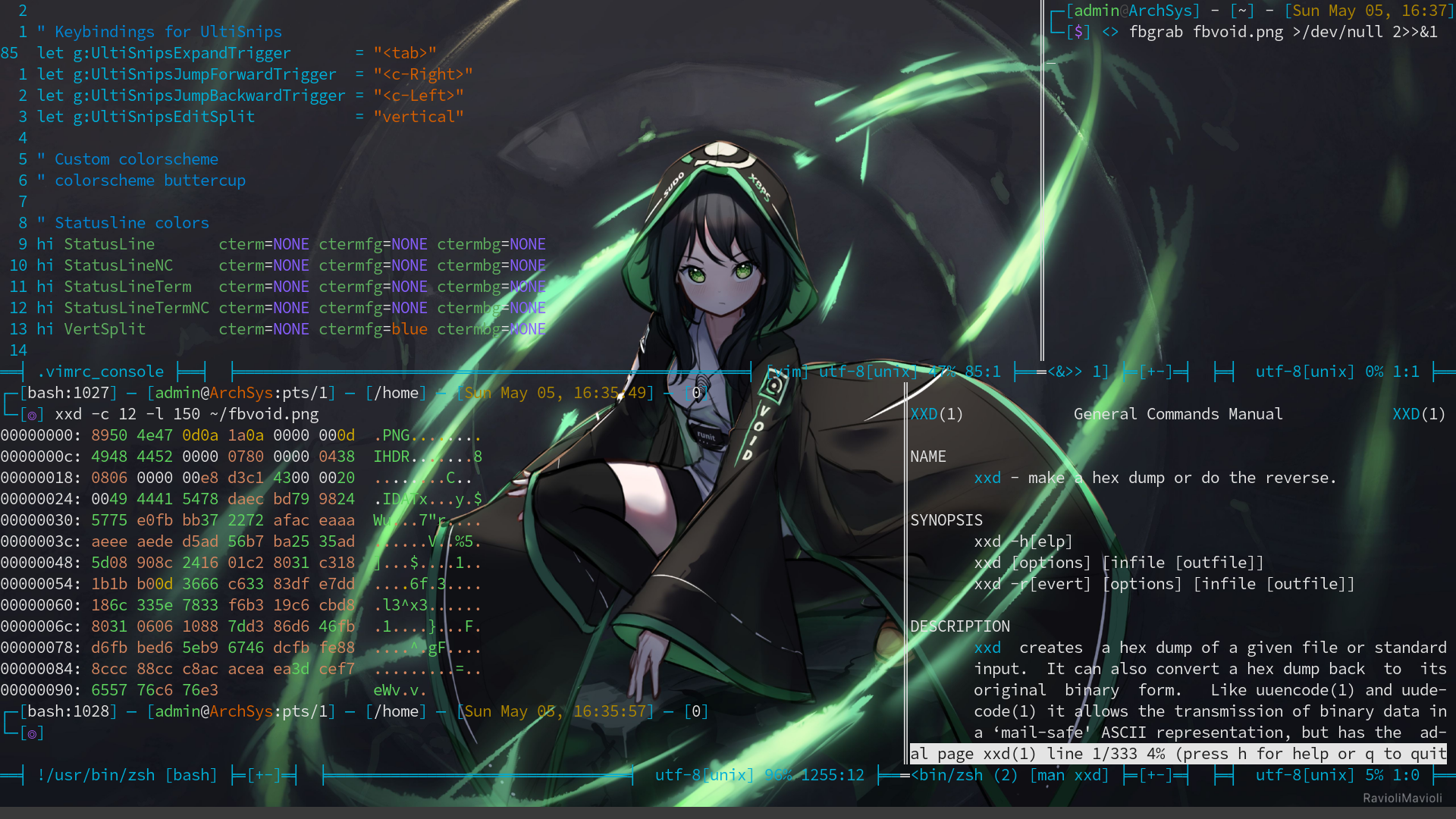
It’s got that sense of actually knowing WTF your machine is doing that’s so hard to come by these days, but isn’t masochistically awkward to use (I ran Gentoo for a long time :-) )
If Macs ever go to shit, Void’s my current frontrunner for a Linux distro if I can’t get FreeBSD working ok on a laptop.