I think you are generalizing from your own tastes.
Just because you don't notice something doesn't mean that others don't.
I started to notice this when I was hanging out with a very smart friend who worked as a restaurant cook. They just noticed heaps of stuff I didn't if we went out for a meal. I wasn't sure if it was training or natural ability.
Training is massive for our senses. I’ve been learning the piano lately and I’m starting to notice I’m getting more information from listening to music. It’s really weird - like, I’ll play an old piece I’ve listened to a thousand times. But now I can separate out the different parts of the song in my head now. It’s obvious - how could I not have heard it before?
I think foodies are like that. I knew one girl years ago from a foodie family. Anything she ate, she could list out all the ingredients and tell you how it was prepared. It was uncanny. I don’t think she had a special mouth. Just, she came from a family which bonds through cooking. Their family goes on hikes where everyone cooks a fancy gourmet meal one night for the camp. She’s been training her palate since she was a toddler. It shows. The difference is insane.
>I started to notice this when I was hanging out with a very smart friend who worked as a restaurant cook. They just noticed heaps of stuff I didn't if we went out for a meal.
Or they were being pretentious to try and impress you. I suspect even they can't tell if melted cheese within a dish started out pre-shredded or not.
Skill and pretentiousness are independent variables. Assuming that one is correlated with the other is a sign of poor judgement. I know people that fit would fit in each of the four quadrants {skillful-pretentious, unskilled-pretentious, skillful-humble, unskilled-humble}.
Anecdotally cooks are not usually pretentious - perhaps in your circles or in your city things are different? Personally I've got little time for pretentious people.
> I suspect even they can't tell if melted cheese within a dish started out pre-shredded or not.
You can deny the reality of other people all you like. A more open-minded scientific approach is to listen to other people's experiences. People have some weird skills. And they believe some weird things. But yeah, it is hard to truly judge the skills of others.
Just because you're ignorant of something, it doesn't mean that something isn't real, or that others can't perceive it.
And just because someone knowledgeable shows you something you hadn't noticed before (and then you start noticing it all the time), it doesn't mean it's just all in your head. Being discerning about things can be taught. (And sometimes knowing can be a curse!)
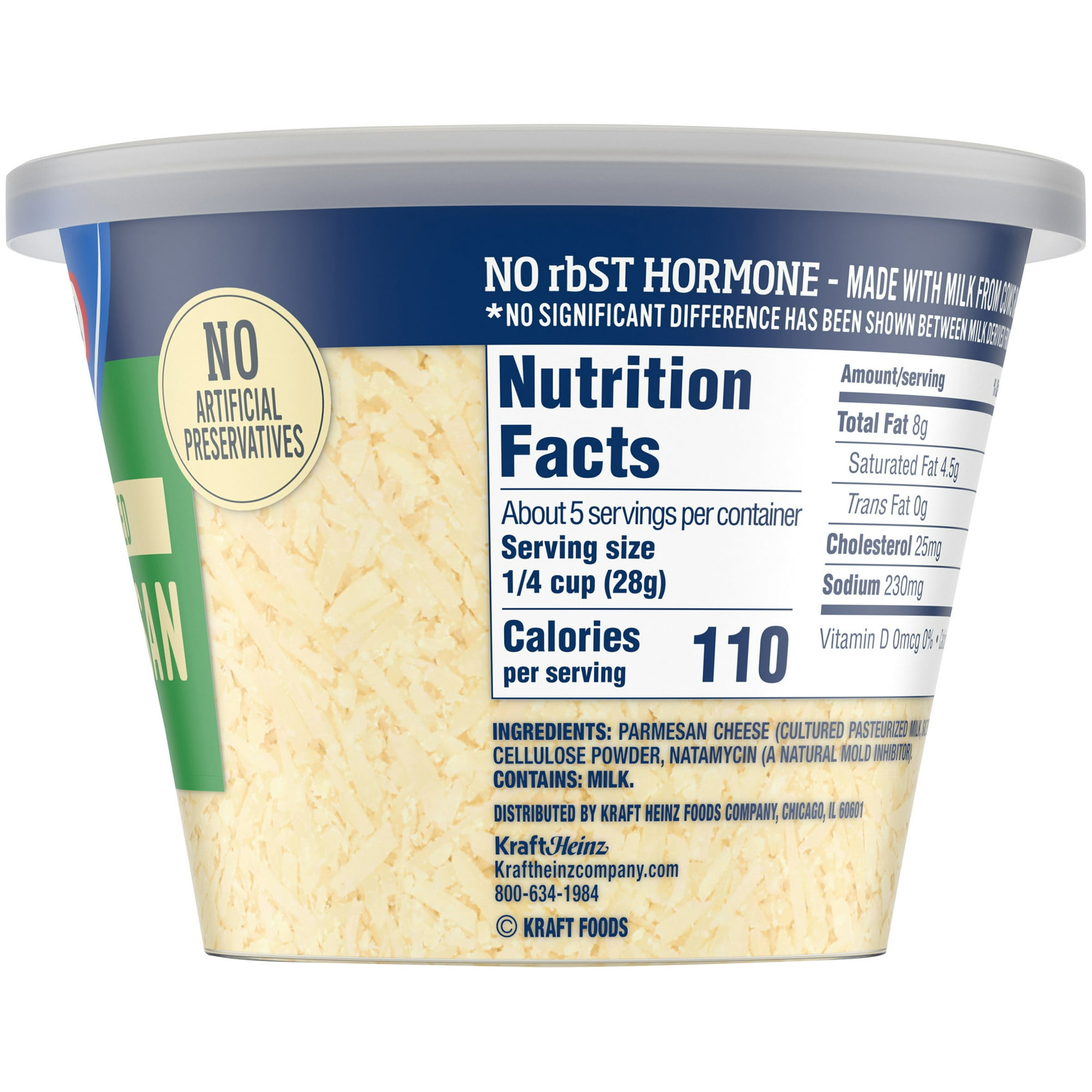
Sure, and I also doubt people's ability to tell the difference in a blind taste comparison. People claiming to do so visually see the anti-caking agent, they don't taste it. It doesn't taste grainy. You can taste a bit of corn starch or cellulose directly and tell that it doesn't taste 'grainy' or even have much of a flavor at all.
The point of the anti-caking agent is to prevent the cheese from sticking to itself, which inherently affects the texture of the cheese in your mouth... it doesn't stick to itself the same way freshly shredded cheese does, particularly if the cheese is soft and sticky like processed american cheeses. Although it is likely less noticeable for dryer and harder cheeses.
>The point of the anti-caking agent is to prevent the cheese from sticking to itself, which inherently affects the texture of the cheese in your mouth
It does so by keeping the cheese 'dryer' than it normally would be. Putting it in your mouth basically undoes that. You're only going to notice if you're eating it by the handful, not when you're using it in actual food dishes.
You seem very certain that you know how my mouth works. I promise you, you don’t.
I’m a super taster. I did a test when I was 20. You take a macro photo of your tongue and count the taste buds in a 1cm square spot. From what I read at the time, the average person has 25 taste buds per sq cm. I have 40. Some people have as few as 10. Imagine how different food must taste to all of us!
And flavours don’t just “scale up”. Some flavours are way too strong for me - like, spinach is super strong. If spinach is on pizza, all I taste is spinach. I can’t taste anything else and I may as well be eating a salad. I can’t eat dark chocolate - it tastes like a punch in the mouth with wood ash. And I’ve never been able to drink coffee.
One of my all time favorite meals is plain pasta with butter and grated Parmesan. So simple. So yummy. But pre shredded cheese doesn’t melt the same way on pasta - and the difference is obvious to my mouth. Shredded Parmesan cheese has a much weaker cheese taste - even from the same brand. And the texture is all wrong.
Maybe your mouth can’t tell the difference. But don’t claim to know how my mouth works. I suspect if we could trade mouths for the day, we’d both be shocked.
I wonder if there's a confounding factor here, because that's precisely where I tend to notice it the most. The anticaking agent lends a grainyness to an otherwise smooth foodstuff.
Are you thinking more of a cheese sauce, or cheese that gets melted into e.g. a burrito?
My family eats a lot of shredded cheese, pre and home shredded, I've never noticed in anything melted nor in anything where it's only half melted like tacos. Any graininess that might be present would be far offset by the other ingredients, but honestly I've never tasted any graininess. The anticaking stuff isn't even grainy, so why would the resulting cheese be grainy? You can lick a piece of pre-shredded cheese and the anticaking stuff flavorlessly dissolves in your mouth. I honestly believe most of this "graininess" is imagined after people read about it on the internet or hear about it from cooking shows. People have convinced themselves that cellulose = wood (notice it's mentioned in this thread several times) and somehow lose the ability to critically think about it. While cellulose is an anticaking agent, I don't think I've ever seen it used for cheese. Typically you see cheese using a modified corn starch. The anti-caking agent can cause some issues if you're making cheese sauces specifically, but generally if you're making a cheese sauce you're mixing in other ingredients and then dumping it over macaroni or potatoes or something anyway and it won't matter.
> > While cellulose is an anticaking agent, I don't think I've ever seen it used for cheese.
> parmesan is pretty much the only one i ever see with cellulose
Can you stop, please? You keep contradicting yourself, and I don't really see the purpose in repeating, over and over, the assertion that because you can't perceive a difference in something, no one else can either. That's pretty arrogant, and ignores, well, basically everything about how humans work.
These subtheads here are just noise, and are distracting me from the rest of the interesting conversation.


Sure, when you're eating it by the handful, but when it's melted in a dish (the thing people typically use it for) you aren't going to notice.