Oh wow, that's far higher than I've been using in my estimates, I'd been rounding down to 1/3.
The massive reduction in oil supply from the sudden and unexpected closure of the Strait of Hormuz, with gas prices jumping but minimal economic contraction, has been great evidence that we could perform a global energy interchange far faster than anybody ever expected without causing massive damage.
However, the pushback I've been hearing a lot is that ocean freight still needs fossil fuels, that's always going to be a blocker.
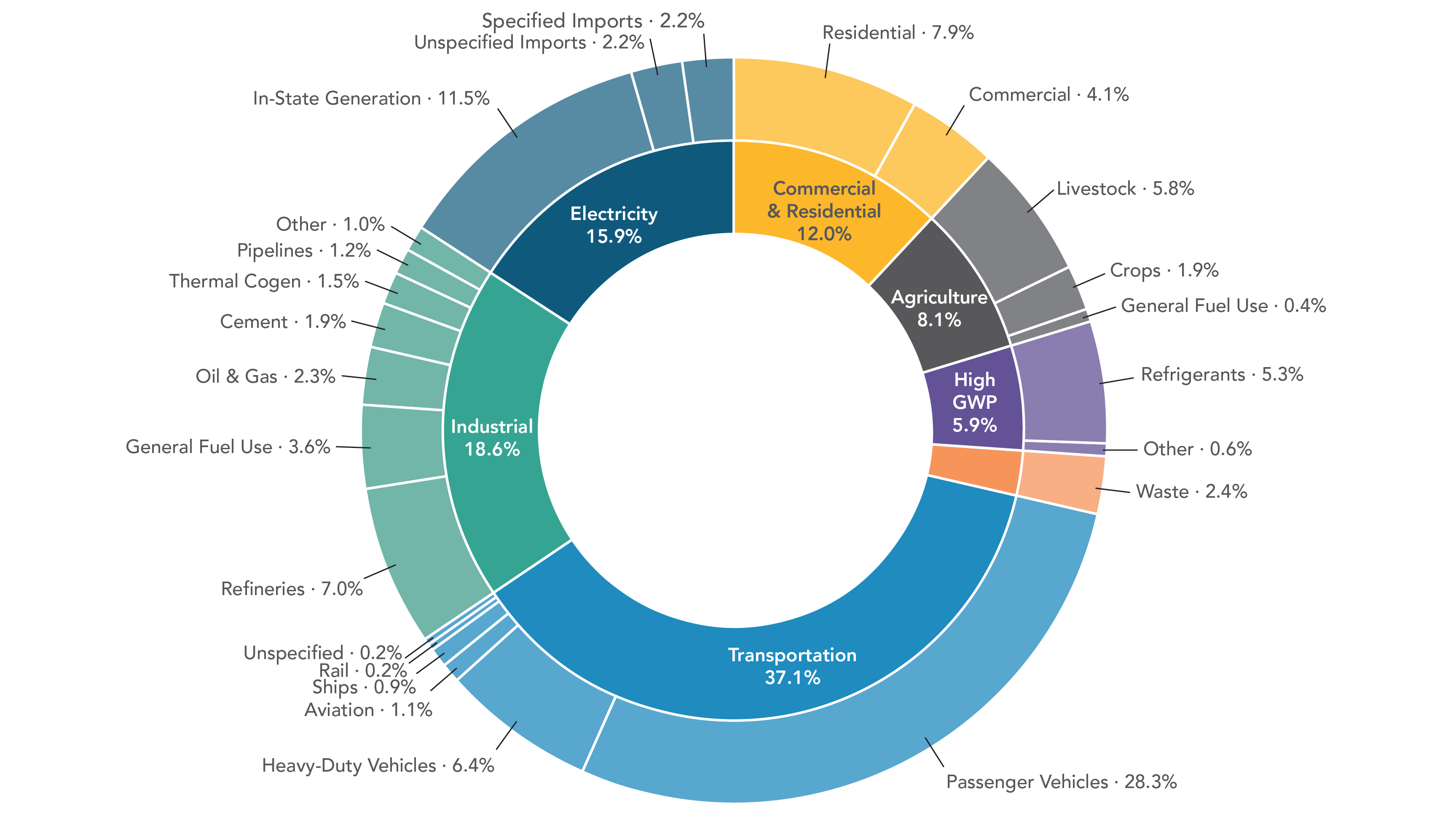
In reality, it's only ~1% of emissions, and half of it goes away when we stop other uses, so solving that 0.5% of fossil fuel use, or even still emitting it, is really a rounding error. (And methanol or ammonia as well as other synthetic fuels based off hydrogen production have a great chance of stepping into that, especially as we massively scale ammonia production from electrolyzers, which also solves the fertilizer that has been caused by closing the Strait of Hormuz).
Fossil fuel based economies are inherently fragile and bound to massive price increase cycles. Changing our economies to be powered by renewables and storage will be far more stable, cheaper, and bring a massive increase in economic output. We can't switch fast enough.
Where are all of the emissions coming from? I keep hearing that automobiles account for a small % and that trucking and shipping account for the majority, but you're saying shipping is only 1%.
There are two ways of doing the accounting, and the more common one is from the producer side such as by industry, by country, by use.
Our world in data is linked in a sibling comment, for the breakdown of the transport side. As is the California ARB inventory. There are other national inventories.
One thing to be very careful about is people making arguments for a national or local policy, that uses worldwide inventory numbers rather than an inventory applicable to where the policy applies. I see this a lot with local old New Leftists trying to argue that their old Toyota Tacoma isn't a big deal, but everybody had better become vegetarian right away, because worldwide beef accounts for a much larger proportion than cars (but locally cars dwarf anything from food production)
And the production side inventories are very poor at making consumption level decisions, because people always complain that we've merely shipped all our production emissions from manufacturing to China. In reality there are great Our World In Data pages showing that yes, cars really are much bigger emitters for Americans than exporting emissions to Chinese manufacturers.
So my favorite inventories of climate emissions are consumption based, and show that lifestyle is one of the biggest drivers of climate emissions in the US:
There are rich cores of cities that are very low emission, surrounded by wealthy suburbs with sky-high emissions, and then rural areas with very low emissions. EVs have the chance to change high emission wealthy suburb life into low emissions. But if we simply legalized more housing in the wealthy city cores, it would allow a lot more people to choose to have lower emission lifestyles right now without technology change, while also spurring massive economic growth.
That isn't true about private automobiles and I would be interested to know where you have been hearing it. It must come from some party with a vested interest in making car emissions seem like a non-problem. In reality, car emissions are the main thing that Americans and most other rich countries should be trying to address.


The massive reduction in oil supply from the sudden and unexpected closure of the Strait of Hormuz, with gas prices jumping but minimal economic contraction, has been great evidence that we could perform a global energy interchange far faster than anybody ever expected without causing massive damage.
However, the pushback I've been hearing a lot is that ocean freight still needs fossil fuels, that's always going to be a blocker.
In reality, it's only ~1% of emissions, and half of it goes away when we stop other uses, so solving that 0.5% of fossil fuel use, or even still emitting it, is really a rounding error. (And methanol or ammonia as well as other synthetic fuels based off hydrogen production have a great chance of stepping into that, especially as we massively scale ammonia production from electrolyzers, which also solves the fertilizer that has been caused by closing the Strait of Hormuz).
Fossil fuel based economies are inherently fragile and bound to massive price increase cycles. Changing our economies to be powered by renewables and storage will be far more stable, cheaper, and bring a massive increase in economic output. We can't switch fast enough.